

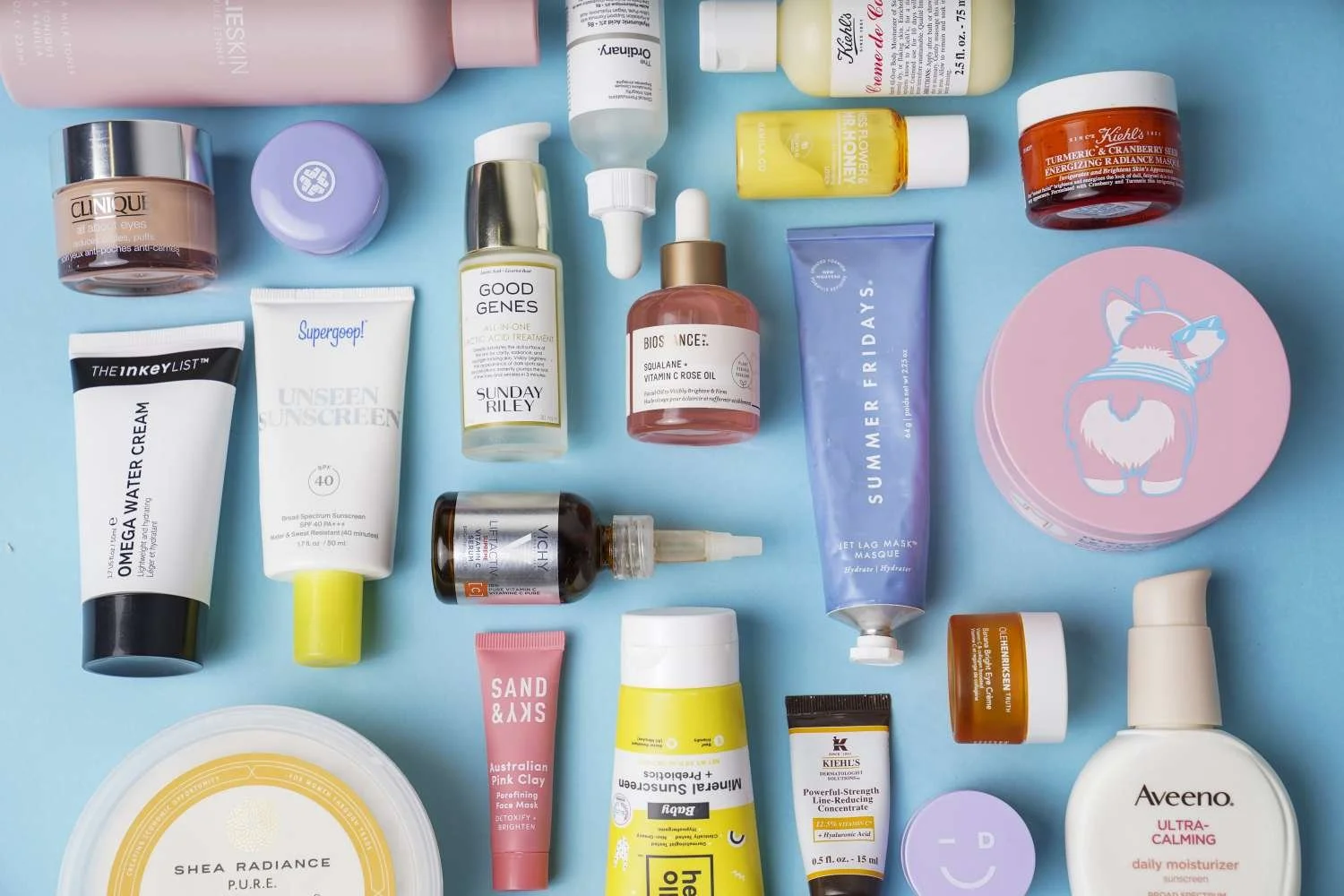
Walk into pretty much any beauty store and you'll hit a wall of cleansers, toners, serums, moisturizers, masks, oils, and a bunch of stuff you've genuinely never seen before in your life. It's a lot. And there's this specific feeling that comes with it, like everyone else got some secret skincare manual and you're the only one who missed the memo.
Here's the good news, though: it's really not as complicated as that wall of products makes it look. You don't need a ten-step routine. You don't need whatever's blowing up on your For You page this week. And you definitely don't need to drop your whole paycheck to actually take care of your skin.
Once you know what each product's actual job is, the aisle stops feeling like a test you didn't study for and starts making a lot more sense. Let's get into it.
The Basic Order of a Skincare Routine
Before we dive into each product, here's a simple rule:
Apply products from thinnest to thickest consistency.
In most routines, the order looks like this:
Cleanser
Toner (optional)
Serum (if needed)
Spot Treatment (if needed)
Moisturizer
Facial Oil (optional)
Sunscreen (morning only)
Think of it like getting dressed for the weather. You wouldn't put your jacket on before your shirt. Skincare products work best when they're layered in the right order.
Cleanser
Okay, real talk. Cleanser is the one step nobody gets to skip. I don't care how tired you are, how much you just want to face-plant into your pillow. Your face has been out there all day collecting sweat, oil, sunscreen, whatever your makeup did under a mask on the subway, and none of that is coming off with a splash of water and wishful thinking.
And no, "I don't wear makeup" doesn't get you out of it either. I used to think that logic worked for me too. Turns out your skin makes its own oil and grabs onto dust and pollution just from you existing outside, so congratulations, you still need to cleanse your face.
Twice a day is the move, morning and night. The only exception is if you've got really dry skin, in which case a lot of people just rinse with water in the morning and save the actual cleanser for the evening. That's fine. Do what your face tells you to do.
Here's the mistake I made for years without realizing it: I thought squeaky-clean meant it was working. If your skin feels tight or kind of raw right after washing, that's not a clean face, that's a stripped one! Good cleanser should leave your skin feeling calm and normal, not like you just walked out of a wind tunnel.
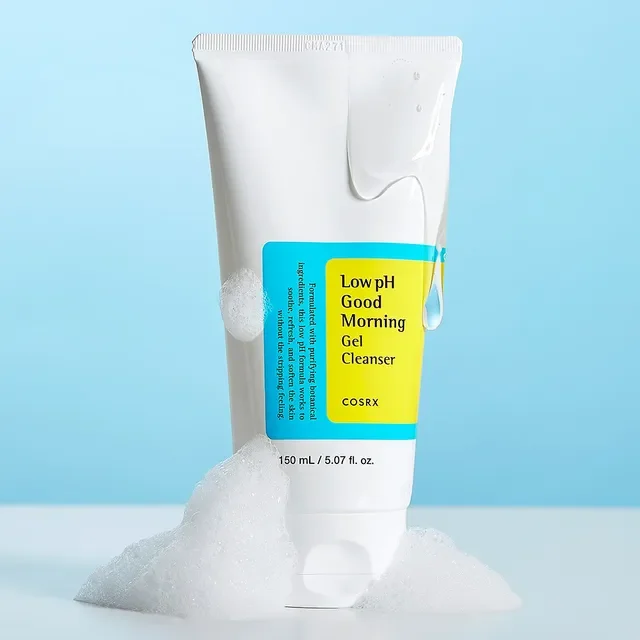
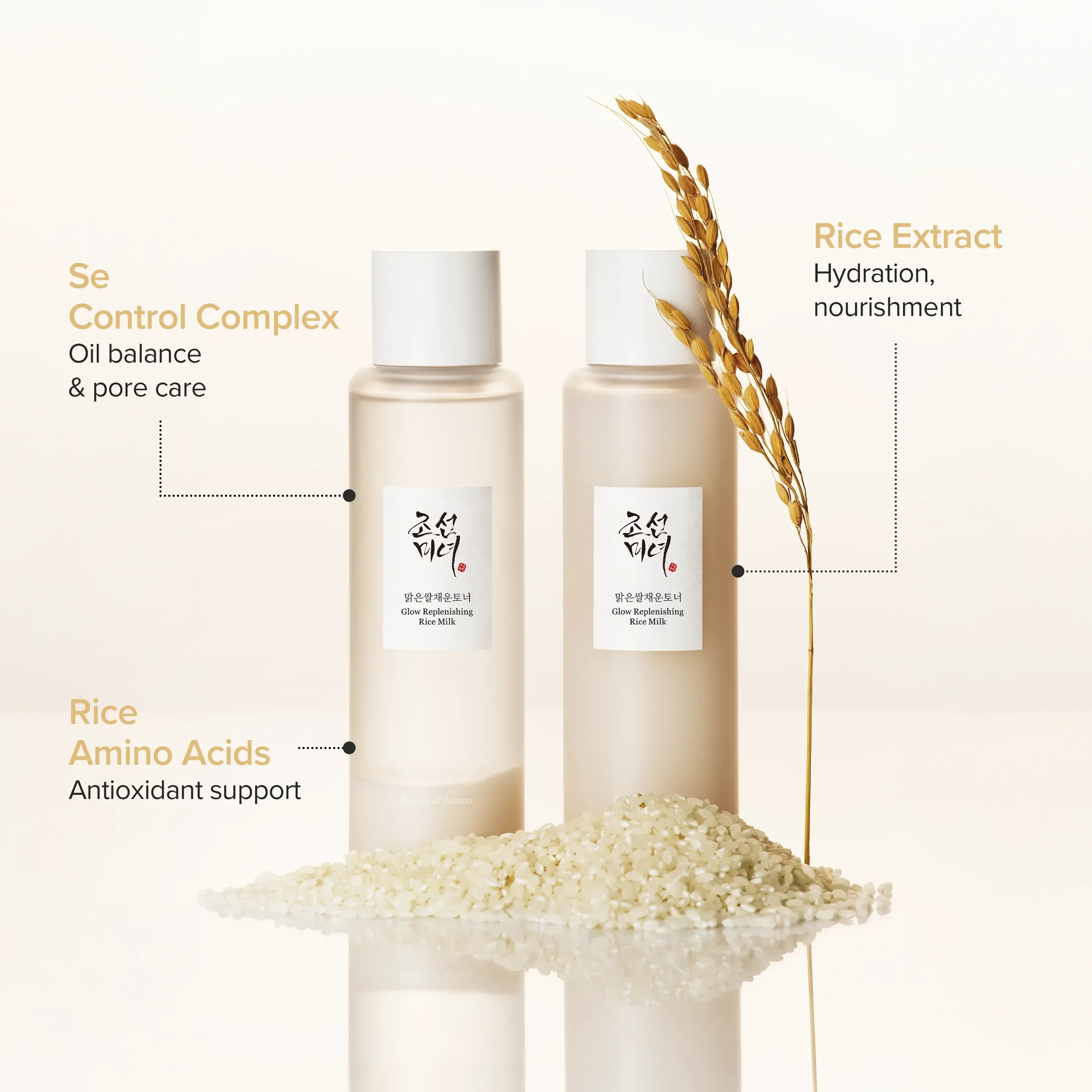
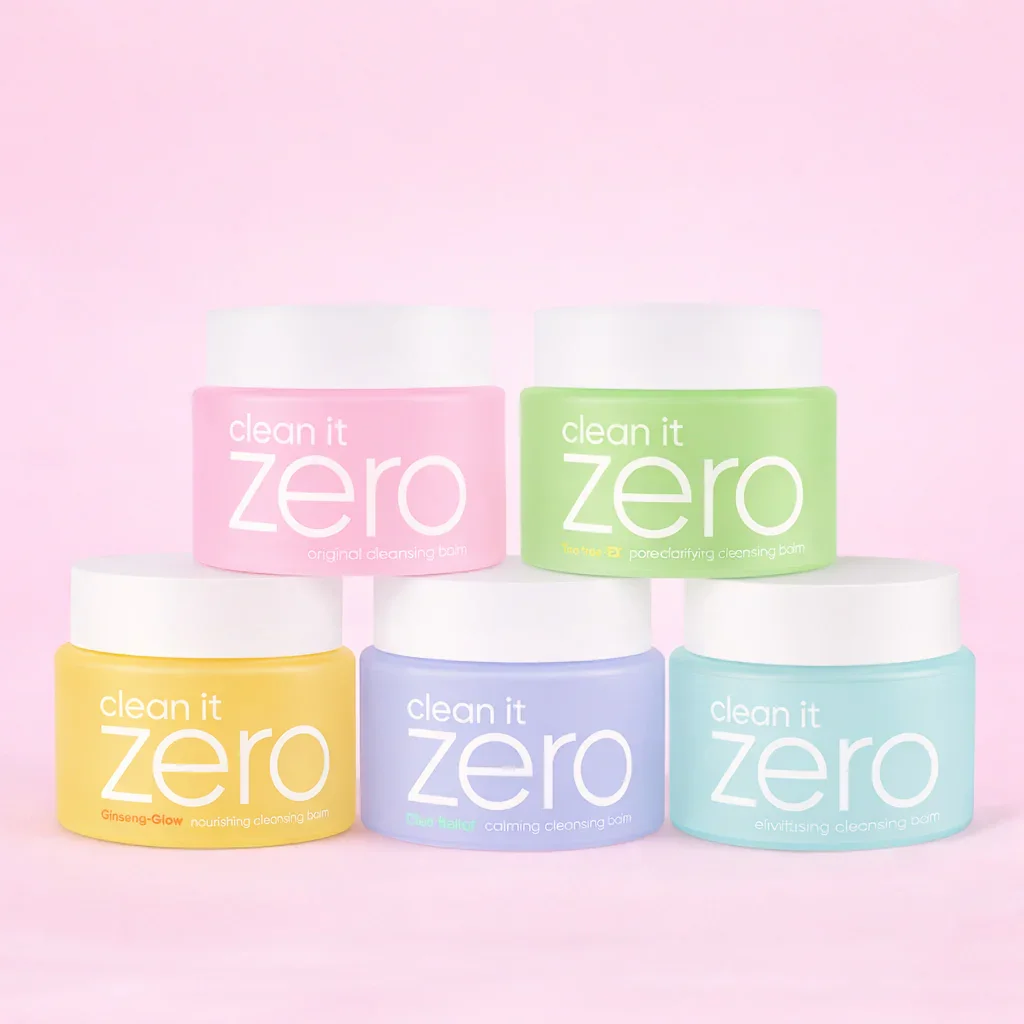
If you're not sure what to grab, it usually comes down to your skin type. Oily or combo skin does well with a low pH gel cleanser, something like COSRX Low pH Good Morning Gel Cleanser, it clears out the oil without leaving that tight feeling. If your skin runs dry or sensitive, look for a cream or milk cleanser instead, Beauty of Joseon's Rice Cleanser is a good one, way gentler and it doesn't fight your skin barrier. And if you wear makeup or sunscreen daily, you actually want two steps: an oil or balm cleanser first (Banila Co's Clean It Zero is the classic one) to melt off makeup and SPF, then your regular cleanser to actually wash your face. Sounds like extra effort, but it's like ninety seconds and your skin will thank you.
Toner (Optional)
Toner gets a weird reputation because of what it used to be. If you remember the toners from like, fifteen years ago (the ones that basically felt like rubbing alcohol on a cotton pad), that reputation isn't wrong, it's just outdated. Today's toners are a completely different animal, mostly built around hydrating or soothing ingredients depending on what your skin needs.
Here's the thing though, and I say this as someone who’s used probably six different toners by now: some people don't actually need one. It's not some mandatory checkpoint between cleanser and serum. Plenty of people have perfectly healthy, glowy skin and have never touched a toner in their life. Think of it more like a bonus step, a way to add extra hydration or target something specific, not a rule you're breaking if you skip it.
If you do use one, it goes right after cleansing and before your serum, kind of like prepping your skin so everything after it soaks in a little better. Just don't fall into the trap of thinking your routine is incomplete without it. It's a nice-to-have, not a must-have.
Serum (If Needed)
This is where things get fun, honestly. If cleanser and toner are about prepping a clean canvas, serums are where you actually pick your fight. They're packed with concentrated ingredients built to go after one specific thing, and which one you reach for depends entirely on what your skin's dealing with.
A few of the big ones you'll run into constantly:
Vitamin C is your brightening pick, it helps fade dullness and evens out your tone over time. Hyaluronic acid is pure hydration, it grabs onto water and holds it in your skin, good for basically everyone regardless of skin type.
Niacinamide is the multitasker, it helps with the look of pores and keeps oil in check without being harsh about it.
And retinol is the nighttime one, it works on fine lines and texture, but it's strong enough that you really only want it in your evening routine, not layered in during the day.
Anyone can use a serum, there's no skin type or age where it's off limits, it really just comes down to picking the one that matches what you're actually trying to fix. It goes on after toner, before moisturizer, so your skin's already a little primed to soak it in.
Here's where people mess up, and I've watched friends do this: they get excited and start layering four or five serums in one sitting. Vitamin C, then niacinamide, then retinol, then two more for good measure. Your skin isn't a science experiment, and stacking that many actives at once is usually what causes the redness and irritation people can't figure out. Pick one, maybe two if they actually work well together, and let your skin handle it before adding more to the pile.
Spot Treatments (If Needed)
This one's pretty self-explanatory once you actually think about the name, but it's also the step most people get wrong. A spot treatment isn't something you spread across your whole face like a mask, it's meant for exactly what it sounds like, one spot. You've got a breakout on your chin? You dab a little there and leave the rest of your face alone.
The whole point is concentration. These are usually loaded with stronger stuff, salicylic acid, benzoyl peroxide, sulfur, the kind of ingredients you don't want on skin that isn't actually broken out, because all it'll do is dry out perfectly fine areas for no reason.
You really only need this one if you're dealing with the occasional pimple here and there. If you've got widespread, consistent breakouts, that's more of a conversation for a dermatologist and probably a different approach altogether, not just dotting product on each spot as it pops up.
Timing-wise it usually slots in after your serum and before moisturizer, but honestly, check the actual product instructions here since this varies more than the other steps. Some are meant to go on clean, bare skin instead.
And the mistake, which I've absolutely made, is treating it like a leave-on acne cream for your whole face because "well it's working on this one spot, may as well use it everywhere." Don't. That's how you end up with dry patches next to your actual breakout, which is worse than just the breakout.
Moisturizer
If there's one product people talk themselves out of that they really shouldn't, it's this one. Moisturizer's whole job is sealing everything in, it's less about adding hydration and more about making sure the hydration already sitting in your skin doesn't just evaporate off by lunchtime. Think of it as a lid, not a refill.
And yes, the readers with oily skin types, I'm talking to you too. This is the step people with oily or acne-prone skin skip the most, and it's honestly the one they need just as much as anyone else. Oily doesn't mean hydrated, those are two completely different things, and skin can absolutely be both oily and dehydrated at the same time.
This one's for literally everybody, no exceptions based on skin type. Morning and night, right after your serums and spot treatments, it's basically the last real skincare step before sunscreen in the AM.
Here's the mistake that trips people up constantly: skipping moisturizer because their face already feels greasy by the afternoon. Makes sense on the surface, except it usually backfires. When you strip skin of moisture and never replace it, it panics a little and starts overproducing oil to compensate. So the greasy feeling you were trying to avoid ends up getting worse, not better. Moisturizing consistently is actually what helps regulate that over time.
Facial Oils (Optional)
This is the step people either swear by or completely misunderstand, usually because of one persistent myth: oil causes breakouts. It's more complicated than that, and honestly, it's kind of the last piece of the puzzle for people whose skin needs a little extra.
What facial oils actually do is seal everything you just layered on and add a bit of extra nourishment on top. If moisturizer is the lid keeping hydration in, oil is like putting a second lid over that lid, especially useful if your skin runs dry or just doesn't feel done after moisturizer alone.
Nobody strictly needs this one, it's a bonus step, not a requirement. But if you've got dry skin, or your skin just drinks up products and still feels tight afterward, a lot of people genuinely love what oil adds. It's the kind of thing you don't miss until you try it and then can't go back.
It goes on last, after moisturizer, since oil molecules are usually too big to actually penetrate through other products layered on top of it. So order matters here more than almost anywhere else in the routine.
And about that myth: not every oil is going to clog your pores. Some are heavier and genuinely not great for oily or acne-prone skin, sure, but plenty of facial oils are lightweight and non-comedogenic, meaning they're formulated specifically not to clog pores. The blanket "oil equals breakouts" thing just isn't true across the board, it really depends on the specific oil and your specific skin.
Face Masks
This is basically the treat-yourself step of the whole routine, and honestly, that's kind of the right way to think about it. Depending on what you grab, a mask can hydrate, calm irritation, or do a deeper clean than your regular cleanser handles, it really just depends on the type. Sheet masks tend to lean toward hydrating, clay masks lean toward cleansing, and there's a whole spectrum in between.
Anyone can use one, there's no specific skin type or concern that gates you out of this step. It's really more about wanting a little extra boost every now and then rather than something your skin is desperately missing.
And can we talk about the actual experience for a second? There's something about slapping on a sheet mask and catching yourself in the mirror that instantly makes you feel like a model backstage before a shoot, or some main character in a movie doing her nighttime routine before a big scene tomorrow. It's silly, it does nothing extra for your skin, but it makes you feel productive and a little bit like a new person, and honestly that's half the reason I keep buying them!
One to three times a week is the sweet spot for most masks, though some are gentle enough for more frequent use and some are strong enough that you really shouldn't push past once a week. Worth actually reading the label on this one instead of guessing.
The mistake almost everyone makes here, especially the first time they try a hyped-up mask, is expecting it to completely transform their skin in one sitting. You put it on, take it off twenty minutes later, and somehow expect a different face looking back at you. That's not really how it works. A good mask gives you a nice temporary boost, glowier, calmer, more hydrated for a bit, but it's a supplement to your routine, not a replacement for consistent daily habits. The overnight transformation thing is more of a marketing photo than reality.
Exfoliants
This is the step with the most potential to do good or go really wrong, depending on how much restraint you have. The basic idea is simple: get rid of the dead skin cells sitting on the surface so what's underneath actually gets to shine, but there are two totally different ways to do that.
Physical exfoliants are the scrub-it-off type, small particles or a tool that manually buffs away dead skin. Chemical exfoliants, AHAs and BHAs, work differently, they dissolve the bonds holding dead skin cells together so they slough off on their own without you scrubbing anything. Chemical tends to be the gentler, more controlled option these days, which is part of why it's taken over as the more popular choice.
Most people can benefit from exfoliating in some form, but this is the one step where more really isn't better. It's less about whether you need it and more about how much your skin can actually handle.
One to three times a week is the general range, though it genuinely depends on the product strength and how your skin responds. This is one of those steps where you have to actually pay attention to your own face instead of following a fixed number.
And the mistake here is a classic one, I've done it myself chasing that "glass skin" thing everyone talks about. You exfoliate a little, your skin looks great, so you think more must mean even better results, and suddenly you're doing it daily. That's exactly how you end up with redness, sensitivity, and skin that stings when you put on literally anything. If your face starts looking irritated or feeling raw, that's not your skin needing more exfoliation, that's your skin telling you to back off and let it recover.
Sunscreen
If I had to pick one step out of this entire routine that actually matters the most, it's this one, no contest. Everything else, the serums, the masks, the fancy ingredients, kind of loses the point if you're not protecting your skin from the thing that ages it the most in the first place, which is UV exposure. This isn't a nice-to-have step, it's THE step.
And this one really is for everyone, no exceptions, no "my skin's already dark enough" or "I don't really go outside much." Doesn't matter. UV rays don't check your skin tone or your schedule before doing damage.
It goes on every single morning, and it's the actual last step of your routine, after everything else has had time to sink in. If you skip it, you're kind of undoing a lot of the work from the steps before it.
The mistake people make constantly, myself included for way too many years, is treating sunscreen like something you only remember for the beach or a pool day. Reality is, you're getting UV exposure just walking to your car, sitting by a window at your desk, driving with the sun hitting your arm through the windshield. It's not dramatic sun exposure that does the damage over time, it's the everyday, low-key stuff you don't even notice happening. That's exactly why it's a daily habit and not an occasion-based one.
Why Morning and Evening Routines Are Different
Here's something that took me way too long to actually get: your skin isn't doing the same job at 7am that it's doing at 11pm, so it doesn't make sense to treat both routines identically.
Morning:
Morning is all about defense. You're about to send your face out into the world to deal with sun, pollution, whatever's in the air, so the goal is protecting it before any of that gets the chance to do damage. Keep it simple here, you really don't need ten steps before noon:
Cleanser
Serum (optional)
Moisturizer
Sunscreen
That's genuinely it. Sunscreen is the non-negotiable part, everything before it is just setting your skin up so it's not bare when it hits that last step.
Nighttime:
Night flips the whole goal. Now you're not defending against anything, you're undoing the day and letting your skin actually recover while you sleep. This is when you wash off everything that built up, sunscreen, oil, whatever pollution clung on, and this is also when the stronger, working ingredients get their moment, since your skin isn't fighting off the outside world at the same time.
Cleanser
Toner (optional)
Serum
Moisturizer
There's something kind of nice about that, honestly, treating your evening routine like your skin's version of clocking out for the day. You strip off the day's damage, hand it a few good ingredients to work with overnight, and let it recharge so it's ready to do the whole defense thing again tomorrow.
A Beginner-Friendly Skincare Routine
If you're brand new to all of this,do yourself a favor and ignore the ten-step routines for now. Start stupidly simple.
Morning:
Gentle Cleanser
Moisturizer
Sunscreen
Evening:
Gentle Cleanser
Moisturizer
That's genuinely the whole thing. No serums, no exfoliants, no toner, nothing fancy. Just four products total, and honestly, that alone will do more for your skin than half the elaborate routines people post online.
Give it a few weeks. If your skin's behaving, feeling calm, not breaking out, not irritated, that's your sign you can start layering in one thing at a time. Maybe a serum if you've got a specific concern like dullness or breakouts, maybe an exfoliant if texture's bothering you. One new product at a time though, so if something reacts badly, you actually know what caused it.
Here's the thing nobody really tells beginners: the people with genuinely great skin usually aren't running some twelve-step Korean routine with rare ingredients flown in from three continents. They're just consistent with four or five basic products, every single day, without skipping. Complexity isn't what's doing the work, showing up daily is.
I get it though, walking into a skincare aisle for the first time feels like being handed a chemistry exam you didn't study for. Once you actually know what each product's job is though, it stops feeling like a wall of random bottles and starts making sense pretty fast. And if you're ever standing there genuinely unsure what your skin needs, just ask. There's no dumb question in skincare, and a two-minute conversation can save you from buying five products you didn't need.
One of the Best Ways to Learn Skincare Is in Person
Guides like this one are great for understanding the basics, but there's genuinely no substitute for actually holding a bottle, reading the label yourself, and asking someone a question you can't quite phrase into a Google search. Skincare's one of those things that clicks a lot faster once you're standing in front of the shelf instead of scrolling through it.
If you're building your first routine, or just trying to fill in the gaps in what you've already got, it's worth swinging by a local beauty supply store and seeing what's actually out there. Something about being able to compare two moisturizers side by side, or asking "wait, what does this ingredient even do?", makes the whole thing feel a lot less like a guessing game.
That's exactly what we're here for at Gold 7 Beauty Supply. We carry products for pretty much every skin type and concern, and whether you already know what you're looking for or you're standing there completely lost, we're happy to help you figure it out. Gentle cleanser, hydrating moisturizer, a serum that actually targets what's bothering you, whatever it is, just ask.
At the end of the day, good skin isn't about how many products are lined up on your shelf. It's about actually understanding what your skin needs, picking things that fit that, and sticking with it. That's really the whole guide in one sentence.
